How to Store Coffee Beans for Maximum Freshness
Store coffee beans the right way with an airtight opaque container, a cool dry cabinet, sensible buying habits, and guidance on freezing.
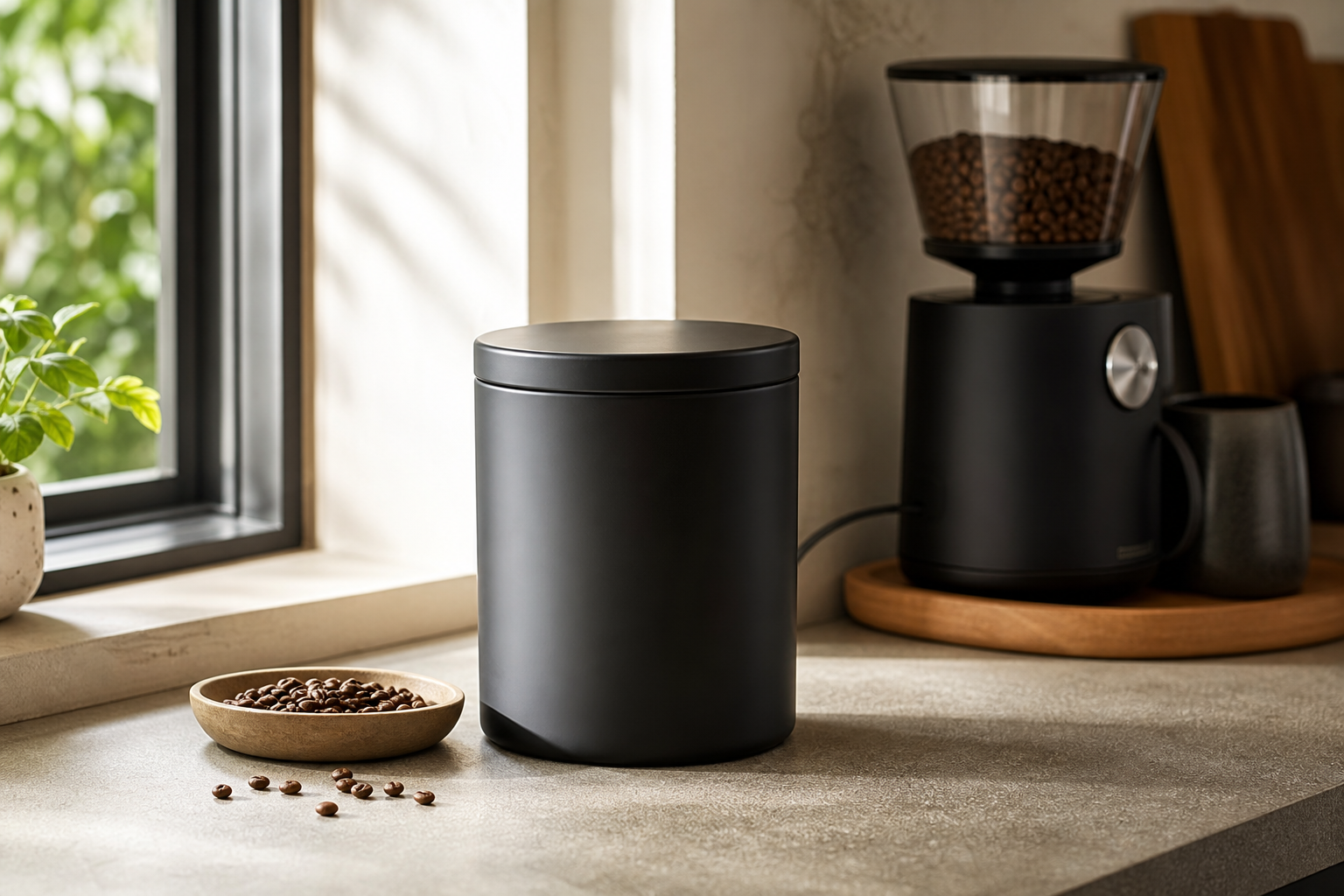
The best way to store coffee beans is in an airtight, opaque container kept in a cool, dry cabinet away from heat, sunlight, and strong odors. Buy an amount you will use within a few weeks, keep the beans whole until brewing, and avoid opening the container more often than necessary.
Coffee starts losing its most vivid aromas after roasting as gases escape and oxygen, moisture, heat, and light affect flavor. Storage cannot freeze time, but it can slow avoidable loss. A simple container and sensible buying routine matter more than elaborate accessories.
The original bag may work well when it has a one-way valve and a resealable closure, especially if you press out excess air and keep it in a dark cupboard. An opaque canister offers a durable alternative for daily use.
Use an Airtight, Opaque Container
Choose a clean container with a reliable seal and an opaque body or store it in a dark cabinet. Clear jars look attractive on a counter but expose beans to light. A container sized close to the amount of beans you hold leaves less unnecessary air space.
Wash and dry the container thoroughly before refilling it. Coffee oils can build up and stale flavors can transfer to fresh beans. Avoid containers with strongly scented plastic, loose lids, or decorative gaps that allow air exchange.
Keep Beans Cool, Dry, and Dark
A pantry or cabinet away from the oven, dishwasher, sunny window, and stove is usually ideal. Kitchen counters can become warm during cooking and receive direct light. Humidity also changes near sinks and dishwashers.
Room temperature is generally better than frequent temperature swings. Do not place beans near spices, onions, or cleaning products because coffee can absorb odors through a poor seal.
Buy Smaller Amounts More Often
Freshness starts at purchase. Choose whole beans with a roast date when available and buy an amount your household can finish while it still tastes its best. A large bargain bag is not economical if half tastes flat before you reach it.
Estimate weekly use by weighing a few normal brew doses. This makes it easy to select a bag size and reorder interval. Whole beans usually stay flavorful longer than pre-ground coffee because less surface area is exposed.
Leave Beans Whole Until You Brew
Grinding releases aroma quickly. Grind only the amount needed for each brew when possible. A burr grinder lets you adjust for the brewing method while keeping the rest of the coffee protected.
If you must pre-grind for convenience, prepare a small short-term portion and keep it in a tightly sealed opaque container. It will not retain the same complexity as freshly ground beans, but careful storage still helps.
Should You Refrigerate Coffee Beans?
For everyday storage, the refrigerator is usually not ideal. Temperature changes and condensation can introduce moisture when the container is opened, and beans may absorb refrigerator odors. A cool, dry cupboard is simpler and more consistent.
Do not move a daily-use container between the refrigerator and counter. Repeated changes create more risk than benefit. Follow the roaster’s advice if it differs for a particular product.
Freezing Can Work for Longer Storage
Freezing beans can be useful for unopened or carefully portioned extra coffee that will not be used soon. Divide beans into small airtight portions so you open only one at a time. Keep moisture and strong freezer odors out with a genuinely tight package.
When you remove a portion, allow it to reach room temperature while sealed before opening it. Avoid repeatedly thawing and refreezing the same beans. For daily coffee, buying smaller quantities is usually easier.
Keep the Original Bag or Transfer It?
A quality resealable valve bag can be sufficient, especially when stored inside a cabinet. Fold the top tightly, press out excess air without crushing beans, and close it securely. Do not assume every bag is fully airtight once opened.
If you transfer beans to a canister, keep the roast date and coffee name with the container. A small note prevents confusion when you compare coffees or rotate several bags.
Avoid These Common Storage Mistakes
Avoid clear jars in sun, open bowls, decorative scoops left in the container, warm counters, and containers that still smell like old coffee. Do not store beans above an oven or next to a vent that releases heat or steam.
Do not judge freshness solely by how much gas a bag releases. Coffee age, roast level, packaging, and origin all affect degassing. Taste, brewing behavior, and the roast date give a more useful picture.
Know When Beans Are Past Their Best
Coffee that tastes unusually flat, papery, stale, or muted may be past its peak, though poor water, dirty equipment, and an incorrect grind can cause similar results. Check those variables before discarding beans.
Use older beans for cold brew, baking, or experimentation if they are still clean, dry, and free of off odors. Discard coffee that shows moisture damage, mold, or a clearly rancid smell.
Frequently Asked Questions
Should coffee beans be stored in the freezer?
Freezing can help for longer storage when beans are portioned and sealed well. For daily use, a cool, dark cabinet is usually the better choice.
Are glass jars bad for coffee beans?
A clear glass jar is acceptable only when it stays in a dark cabinet. Opaque storage protects beans from light more reliably.
How long do coffee beans stay fresh after opening?
Flavor changes gradually. Many people enjoy beans most within several weeks of roasting and opening, but the best window varies by roast, packaging, and taste preference.
Can I keep coffee beans in the original bag?
Yes, if the bag reseals well and is kept cool, dry, and dark. A sealed opaque canister is another good option.
Final Thoughts
Store whole coffee beans in a clean airtight opaque container in a cool, dry, dark cabinet. Buy amounts you will use reasonably soon, grind just before brewing, and keep heat, moisture, light, and odors away.
Good storage protects the coffee you already chose; it cannot replace a recent roast date and clean brewing equipment. Keep the routine simple and consistent for the most reliable cup.
 ✓
✓